Many people think first aid and CPR training is only about memorising steps or earning a certificate. In reality, the most valuable lessons go far beyond simple procedures. A well-structured first aid and CPR course teaches practical thinking, calm response, and responsibility toward others. By enrolling in a first aid course Melbourne residents choose real-world readiness. Learners gain skills that matter when emergencies unfold without warning.
Learning How To Assess A Situation Quickly?
One of the most important skills taught in first aid training is assessment. Before helping anyone, it is critical to understand what is happening and whether the scene is safe.
Through first aid Melbourne programs, participants learn how to observe signs such as breathing, responsiveness, and visible injuries. This ability to assess quickly prevents rushed decisions and helps responders choose the most appropriate action from the start.
Understanding When And How To Act?
It’s as crucial to know when to intervene as it is to know how. First aid courses teach clear decision-making based on the condition of the injured or unwell person.
A first aid certificate Melbourne course explains how to recognise situations that require immediate action versus those that need monitoring. This clarity reduces confusion and helps learners act with purpose instead of hesitation.
Building Hands-On Practical Skills
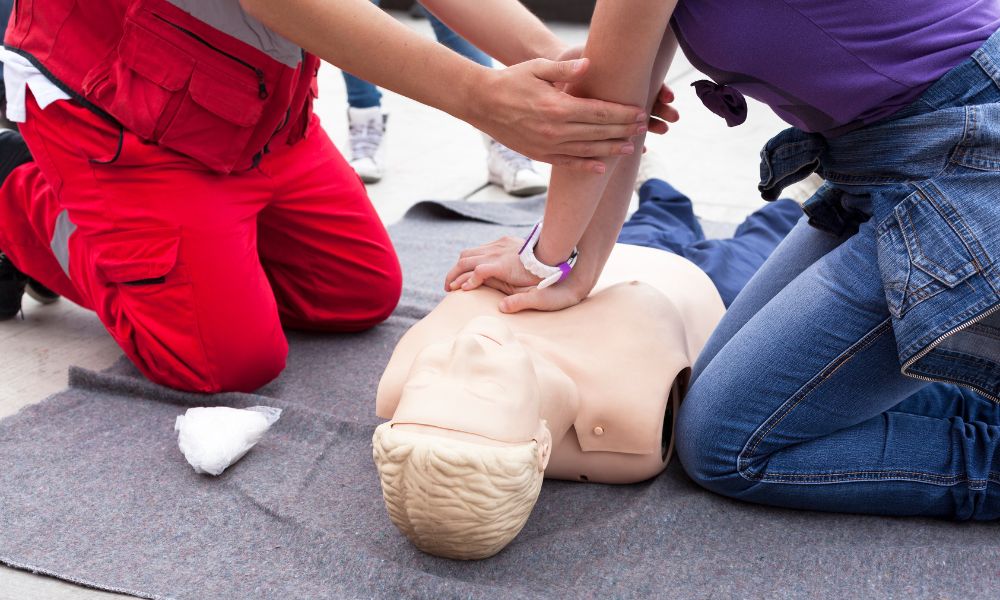
Theory alone does not prepare someone for emergencies. First aid and CPR courses emphasise physical practice so learners gain real confidence in their abilities.
In a first aid course, participants practice techniques such as supporting injuries, positioning someone safely, and delivering CPR. These hands-on sessions create muscle memory, making responses more natural during real incidents.
Learning How To Stay Calm Under Pressure?
Emergencies often trigger panic, which can interfere with good judgment. First aid training places learners in simulated scenarios that reflect stressful conditions.
Through first aid instruction, participants experience pressure in a controlled environment. This helps them learn how to regulate emotions, focus on tasks, and think clearly even when situations feel intense.
Understanding The Role Of Communication
Helping someone during an emergency involves more than physical care. Communication plays a major role in an effective response.
A first aid certificate program teaches how to speak calmly, give clear instructions, and reassure the injured person. Learners also practice communicating with emergency services, ensuring accurate information is shared quickly.
Recognising Medical Emergencies Early
Some of the most serious emergencies are not immediately obvious. First aid courses teach learners how to recognise early warning signs of medical conditions.
By attending a first aid course, participants learn to identify symptoms such as breathing difficulties, sudden weakness, or changes in consciousness. Early recognition allows for faster intervention and better outcomes.
Learning What Not To Do?
An often overlooked lesson in first aid training is knowing what actions to avoid. Well-intentioned but incorrect responses can sometimes cause harm.
Through first aid education, learners are taught safe limits of care and the importance of not exceeding their training. This understanding protects both the responder and the person receiving help.
Developing A Sense Of Responsibility
First aid training often changes how people view emergencies. Instead of assuming someone else will help, learners recognise their own role in providing support.
Earning a first aid certificate reinforces this responsibility. Participants understand that their actions, or inaction, can affect outcomes, which encourages them to step forward when help is needed.
Gaining Skills That Extend Beyond Emergencies
The lessons learned in first aid courses apply to many aspects of life. Clear thinking, calm communication, and structured decision-making are valuable in everyday situations.
A first aid course does more than prepare individuals for emergencies. It builds confidence, awareness, and the ability to respond thoughtfully under pressure.
What truly matters in first aid and CPR training is not just the techniques taught, but the mindset developed. These courses equip people with practical skills, emotional control, and responsibility, ensuring they are ready to help when it matters most.