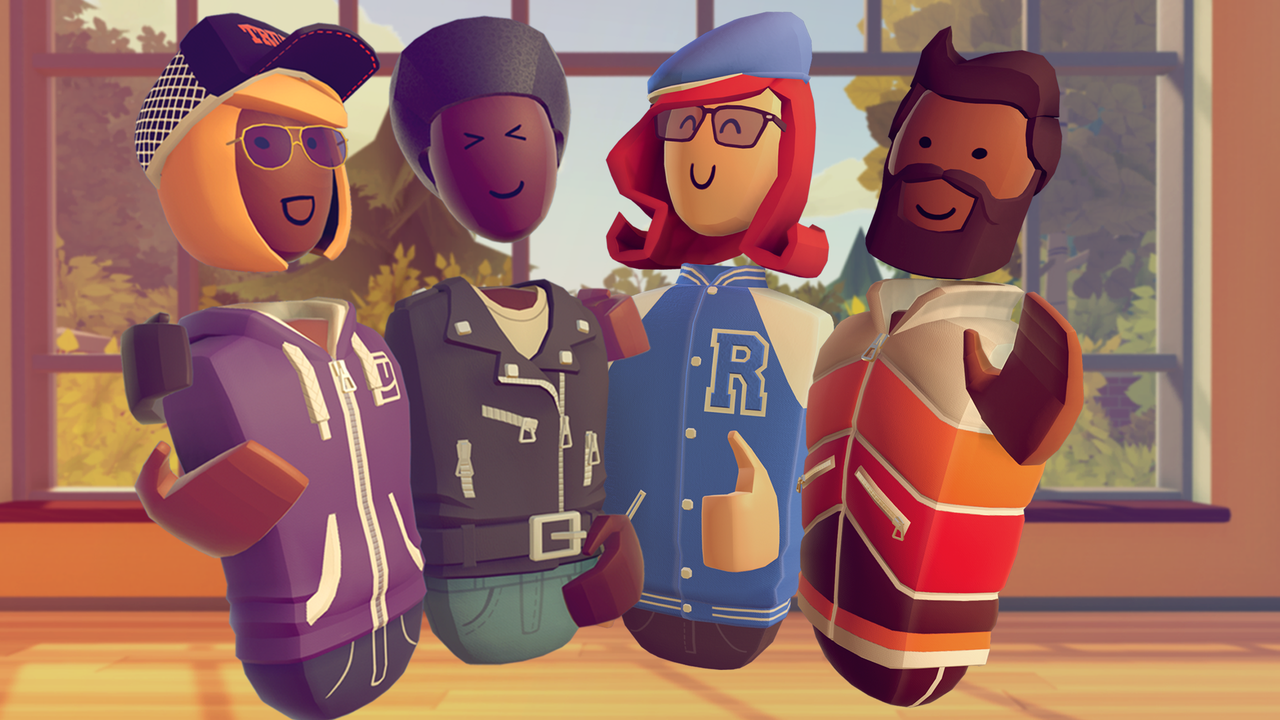
There was a time when meeting new people required stepping into unfamiliar places attending events, joining communities, or simply striking up conversations with strangers. It took effort, confidence, and sometimes a bit of luck. Today, however, the idea of meeting someone new has quietly evolved. In the slot777 world of multiplayer games, connections are no longer limited by physical presence. Instead, they are formed through shared goals, teamwork, and moments that happen naturally in a digital space.
From a modern lifestyle perspective, multiplayer games fit perfectly into how people live today. Life is busy, schedules are tight, and opportunities to socialize in traditional ways can feel limited. But logging into a game? That’s simple. It doesn’t require planning or travel. And yet, within that simple action lies the potential to meet people from entirely different walks of life. What makes multiplayer games unique is that they turn ordinary moments of play into opportunities for connection.
At first, interactions in multiplayer games are often brief and functional. A quick message, a simple instruction, or a reaction to something happening in the game. But even these small exchanges matter. Over time, repeated interactions create familiarity. You begin to recognize players, remember their style, and understand their communication habits. Slowly, what begins as a random encounter starts to feel more personal.
From a psychological perspective, this process is deeply rooted in how humans form relationships. Shared experiences are one of the strongest foundations of connection. Multiplayer games naturally create these experiences. Whether it’s winning a difficult match, overcoming a challenging obstacle, or even losing together, players share emotions in real time. These moments both positive and negative create bonds that feel genuine and lasting.
Looking at it from a teamwork perspective, multiplayer games are built around cooperation. Players are often required to communicate, plan, and support one another to achieve a common goal. This creates a sense of unity, even among people who have just met. When individuals rely on each other in a high-pressure situation, trust begins to form. And trust is one of the most important elements in any relationship.
From a storyteller’s point of view, multiplayer games are filled with small but meaningful narratives. There are moments of unexpected success, situations where everything seems to go wrong, and instances of pure teamwork that feel incredibly rewarding. These moments become stories that players carry with them. They are retold in conversations, turned into inside jokes, and remembered long after the game ends. Through these stories, connections deepen.
Another important aspect of multiplayer gaming is communication. Unlike many forms of online interaction, games often require real-time communication. Voice chat, quick messages, and reactions create a dynamic flow of interaction. This makes conversations feel more natural and immediate. You’re not just exchanging words you’re sharing reactions, emotions, and experiences in the moment.
From a social perspective, multiplayer games also remove many of the barriers that can make it difficult to meet new people. In real life, factors like appearance, status, or background can influence how people interact. In a game, those factors are less visible. What matters more is how you play, how you communicate, and how you treat others. This creates an environment where connections are based on personality and shared experience rather than external factors.
Multiplayer games also open the door to global connections. Players mahjong from different countries and cultures come together in the same virtual space. This diversity adds depth to interactions, exposing players to new perspectives and ways of thinking. Conversations often go beyond the game, leading to discussions about culture, daily life, and personal experiences. In this way, multiplayer games become not just a social platform, but also a cultural exchange.
From a community perspective, these connections often grow into something larger. Players form groups, teams, or guilds where they interact regularly. These communities create a sense of belonging. Members support each other, celebrate achievements together, and build routines that strengthen their bond. What starts as a simple connection can evolve into a strong social network.
There is also a personal growth element to this experience. Engaging with new people in multiplayer games helps individuals develop important social skills. Communication becomes more natural, confidence increases, and the ability to work with different personalities improves. For many, especially those who find social interaction challenging in real life, multiplayer games provide a safe and comfortable environment to connect with others.
Of course, not every interaction will lead to a meaningful connection. Some players remain strangers, and some conversations are brief. But that is part of the process. The openness of multiplayer games means there are always new opportunities to meet someone new. The key is simply to be present, to communicate, and to engage.
From a broader perspective, multiplayer games represent a shift in how people build relationships. They show that connection is no longer limited by location or circumstance. Instead, it is shaped by shared experiences and genuine interaction. In a world where digital communication often feels distant, multiplayer games bring a sense of immediacy and authenticity back into social interaction.
In the end, multiplayer games do more than entertain they create opportunities. Opportunities to meet new people, to share experiences, and to build connections that might not have been possible otherwise. They open doors that many people didn’t even realize existed.
Because behind every player is a real person, with their own story, personality, and perspective. And sometimes, all it takes to open a new connection is a single match, a shared moment, and a simple message.