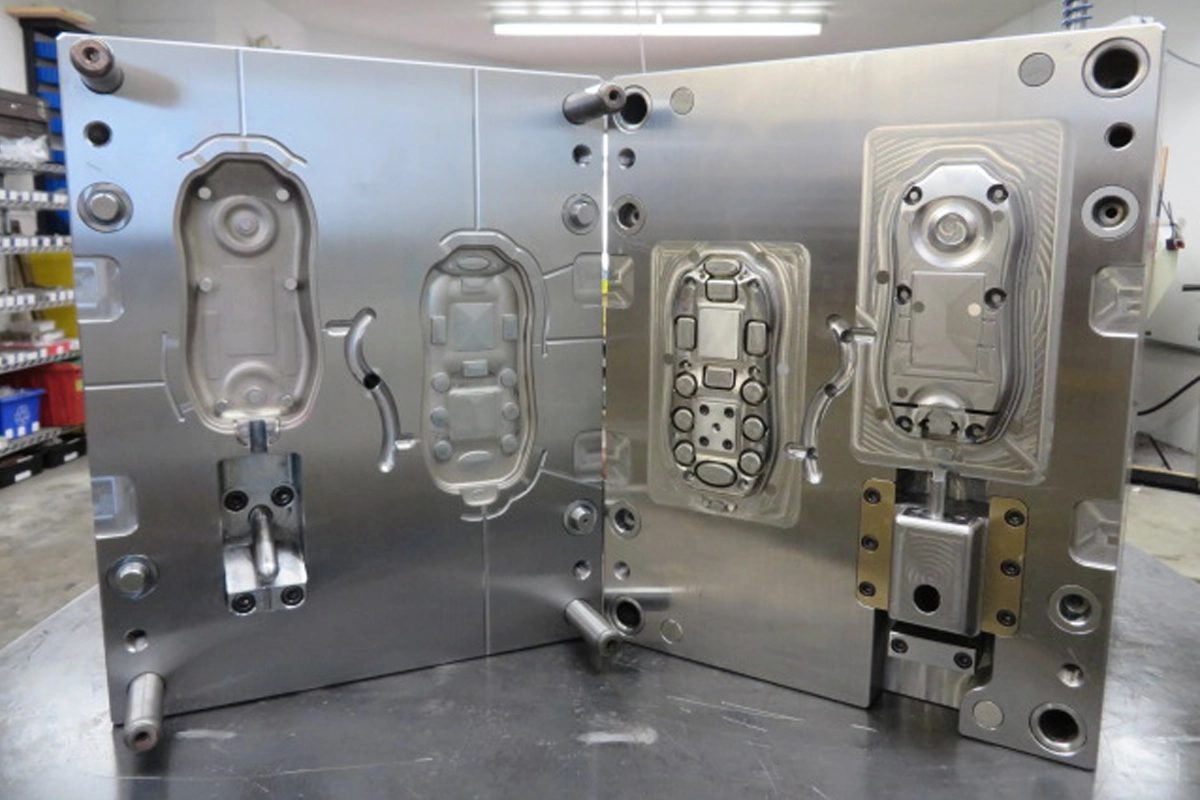
Insert molding is a highly efficient injection molding process that integrates metal or plastic inserts into molded parts during production. Instead of assembling components after molding, insert molding locks the insert into the plastic in a single step, creating stronger, more reliable, and cost-effective parts. This technique is widely used in automotive, medical devices, electronics, and industrial equipment manufacturing.
In this guide, we’ll walk through the fundamentals of insert molding injection projects, including the process workflow, material selection, design best practices, common applications, and key challenges. Whether you are an engineer, product designer, or procurement manager, this article will help you master insert molding from concept to production.
What Is Insert Molding Injection?
Insert molding, provided by LZ tooling, is a type of injection molding where pre-formed components—called inserts—are placed into the mold cavity before molten plastic is injected. These inserts can be made from metal (brass, steel, aluminum) or plastic, depending on the application.
Once the plastic cools and solidifies, the insert becomes permanently embedded within the molded part. The result is a single, integrated component with enhanced structural strength, electrical functionality, or mechanical performance.
Common insert molding examples include:
- Threaded metal inserts in plastic housings
- Electrical terminals molded into connectors
- Reinforced fasteners and bushings
- Medical components with embedded metal parts
Insert Molding vs Overmolding
Although insert molding and overmolding are often mentioned together, they are different processes.
- Insert molding integrates a solid insert into plastic during molding.
- Overmolding molds one plastic or elastomer material over another molded plastic substrate.
Insert molding focuses on structural reinforcement and functionality, while overmolding often enhances grip, sealing, or ergonomics. Some advanced products combine both techniques.

Key Benefits of Insert Molding Injection
Mastering insert molding brings several important advantages:
1. Stronger and More Reliable Parts
Plastic flows around the insert and mechanically locks it in place, eliminating loosening issues found in press-fit or glued components.
2. Reduced Assembly Costs
Insert molding removes secondary operations such as fastening, welding, or bonding, lowering labor and production costs.
3. Improved Design Freedom
Designers can combine plastic flexibility with metal strength in a single part, enabling compact and innovative product designs.
4. Enhanced Electrical Performance
Insert molding is ideal for electrical connectors, providing precise positioning and excellent insulation around conductive elements.
5. Better Long-Term Durability
Fewer assembled joints mean fewer failure points, increasing product lifespan and reliability.
Insert Molding Process: Step-by-Step
Understanding the process flow is essential for successful insert molding projects.
Step 1: Insert Preparation
Inserts are cleaned and inspected to remove oil, dust, or oxidation that could affect bonding or part quality.
Step 2: Insert Placement
Inserts are manually or automatically loaded into the mold. Proper positioning is critical to prevent shifting during injection.
Step 3: Injection Molding
Molten plastic is injected into the mold cavity, encapsulating the insert and forming the final part shape.
Step 4: Cooling and Solidification
The plastic cools and solidifies, securely locking the insert into place.
Step 5: Ejection and Inspection
The finished part is ejected from the mold and inspected for dimensional accuracy, bonding integrity, and surface quality.
Material Selection for Insert Molding
Choosing the right materials for both the insert and plastic resin is critical to project success.
Common Insert Materials
- Brass (excellent for threaded inserts)
- Stainless steel
- Carbon steel
- Aluminum
- Copper alloys
Common Plastic Materials
- ABS – good strength and surface finish
- Nylon (PA6, PA66) – excellent mechanical properties
- Polycarbonate (PC) – impact resistance
- PBT – dimensional stability and electrical insulation
- PPS, PEEK – high-temperature and chemical resistance
Material compatibility affects shrinkage, bonding, and thermal expansion, all of which must be carefully considered during design.
Design Guidelines for Insert Molding Projects
Good design is the foundation of a successful insert molding injection project.
Optimize Insert Geometry
- Use knurls, grooves, or undercuts to improve mechanical locking
- Avoid sharp edges that can cause stress concentration
Control Wall Thickness
- Maintain uniform plastic thickness around inserts
- Prevent sink marks, warping, or voids
Manage Thermal Expansion
Metal and plastic expand at different rates. Designs must accommodate this difference to prevent cracking or loosening.
Ensure Proper Tolerances
Account for plastic shrinkage to maintain precise insert alignment and dimensional accuracy.
Design for Automation
If high-volume production is required, design inserts and molds to support robotic insert loading.

Common Insert Molding Applications
Insert molding is used across many industries:
Automotive
- Threaded plastic components
- Sensor housings
- Electrical connectors
Electronics
- Terminal blocks
- Switch housings
- Power connectors
Medical Devices
- Surgical instruments
- Diagnostic equipment
- Implantable device components
Industrial Equipment
- Knobs and handles
- Fasteners
- Structural reinforcements
Challenges in Insert Molding and How to Solve Them
Insert Movement During Injection
Solution: Use proper mold features, magnets, or mechanical supports to secure inserts.
Poor Bonding or Voids
Solution: Improve insert surface preparation and optimize injection parameters.
Warping or Cracking
Solution: Adjust material selection, wall thickness, and cooling rates.
High Tooling Costs
Solution: Optimize mold design early and use DFM (Design for Manufacturability) analysis.
Quality Control in Insert Molding Injection
Effective quality control ensures consistent results:
- Dimensional inspection using CMM
- Pull-out and torque testing for insert strength
- Visual inspection for flash and surface defects
- Functional testing for electrical and mechanical performance
For regulated industries, insert molding projects often follow ISO 9001 or ISO 13485 quality systems.

Conclusion
Mastering insert molding injection projects requires a deep understanding of materials, design principles, and process control. When executed correctly, insert molding delivers stronger parts, reduced assembly costs, and superior product reliability.
By focusing on proper insert design, material compatibility, and precision manufacturing, engineers and manufacturers can unlock the full potential of insert molding. Whether used in automotive, medical, or electronics applications, insert molding remains a powerful solution for creating high-performance, integrated components in modern manufacturing.
photosfile.com-20251216.txt
Displaying photosfile.com-20251216.html.