Shopping for fabric has moved far beyond local stores and market stalls. Today, you can browse thousands of colors, prints, and textures from the comfort of your home with just a few clicks. While this is incredibly convenient, it can also feel overwhelming. After all, you cannot touch, stretch, or drape material through a screen. That is why learning how to buy fabric online with confidence is such a valuable skill.
This guide walks you through everything you need to know, from understanding fabric types and reading product descriptions to requesting swatches and caring for your purchases once they arrive.
Understanding Fabric Types: The Cornerstone of Your Online Purchase
Diving into Natural vs. Synthetic Fibers
Before you buy fabric online, it helps to understand the difference between natural and synthetic fibers. Natural fibers come from plants and animals, such as cotton, linen, wool, and silk. These materials are popular because they offer breathability, softness, and comfort. Cotton is valued for its versatility, durability, and ease of care, while silk is admired for its luxurious drape and smooth finish. Linen, with its crisp feel and airy weave, excels in warm weather garments and home décor. Wool is known for its warmth and resilience, making it a go to choice for outerwear and tailored pieces.
Synthetic fibers, however, are man made and include materials such as polyester, nylon, acrylic, and spandex. These fabrics are appreciated for their durability, wrinkle resistance, and performance features, such as stretch and moisture wicking capabilities. They are widely used in athletic wear, swimwear, and ready to wear garments that need to withstand frequent washing and heavy use. When you buy fabric online, knowing these differences helps you choose materials that suit your intended project, whether you are prioritizing breathability, sustainability, durability, or specific performance qualities.
The Importance of Fabric Weight and Texture
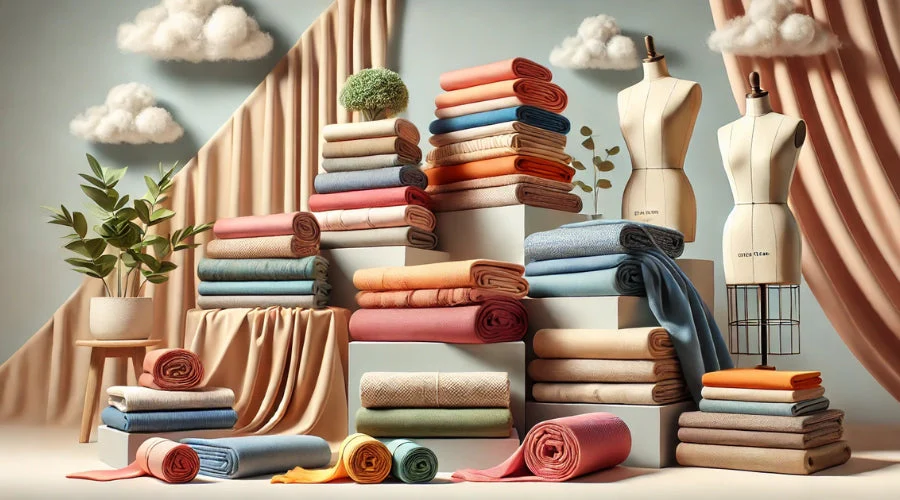
One of the most challenging aspects of shopping digitally is imagining how a fabric will behave once you have it in hand. Fabric weight and texture are two essential details that determine how suitable a fabric is for your project. Light fabrics such as chiffon, voile, or georgette are ideal for flowy tops and dresses, while medium weight materials like poplin, quilting cotton, or jersey work well for everyday pieces. Heavier fabrics, including denim, canvas, and upholstery textiles, add structure and are best for jackets, pants, bags, and home furnishings.
Texture also plays a significant role in the final look and feel of your creation. A brushed knit might offer a soft, cozy finish perfect for loungewear, while a crisp woven fabric gives a polished structure ideal for button down shirts or tailored garments. Since you cannot feel the fabric when you buy fabric online, study product photos carefully and pay attention to descriptive language that explains how the fabric feels. Sewing forums, reviews, and real world project photos can also help you visualize how the fabric will behave.
Unraveling Specialty Fabrics: From Silk to Spandex
Besides everyday basics, the world of online fabric shopping includes a wide array of specialty materials. Silk remains a luxurious favorite thanks to its lustrous sheen and featherlight quality, making it perfect for elegant dresses, scarves, and lingerie. Rayon and viscose offer a semi synthetic option with exceptional drape, creating beautiful movement in dresses and blouses. Lycra and spandex blends have revolutionized modern fashion by providing excellent stretch and shape retention, making them essential in athletic wear, swimwear, and figure hugging garments.
More specialized textiles, such as moisture wicking knits or flame resistant materials, cater to particular performance needs. When you buy fabric online, learning about these unique categories helps you match each material to the practical and aesthetic demands of your project. Specialty fabrics often require distinct sewing techniques or specific care routines, so researching before checkout ensures a more satisfying experience.
Smart Shopping Strategies: How to Navigate the Online Fabric Market
Reading Between the Lines: Deciphering Product Descriptions
When you buy fabric online, the product description becomes your most valuable resource. This section reveals the fiber content, fabric width, weight, stretch percentage, recommended uses, and care instructions. Understanding these details helps you determine whether the fabric will drape as expected, feel comfortable on the skin, and work well with your intended pattern. Many fabrics also include information about finishes, such as whether the fabric has been pre washed, treated for water resistance, or brushed for softness.
If any part of the description seems incomplete or unclear, contacting customer service is a smart move. Asking questions before you finalize your order ensures you receive a fabric that aligns with your project needs, reducing surprises when the package arrives. Thinking critically about how the fabric will perform in real life makes it easier to refine your choices and feel confident in what you are purchasing.
Comparing Prices: When to Splurge and When to Save
Price variation is normal when you buy fabric online, and understanding why can help you make more strategic decisions. Higher priced fabrics may reflect superior fiber quality, ethical production practices, designer branding, or specialized performance features. These premium fabrics are often worth the investment for special garments, heirloom quilts, or pieces that you expect to wear and enjoy for years.
At the same time, there are moments when saving money is the more practical option. For example, if you are sewing a muslin or practice garment, a budget friendly fabric works just fine. Basic materials such as lining fabrics or simple solids can often be purchased at lower price points without compromising your overall project. Knowing when to invest and when to economize helps you stretch your sewing budget without sacrificing quality where it truly matters.
Using Online Reviews and Ratings to Your Advantage
Reviews from other customers provide real insight into how a fabric behaves beyond its description. Feedback about shrinkage, pilling, color accuracy, drape, or durability can help you avoid disappointment and choose a fabric that meets your expectations. Seeing how a seller responds to negative reviews can also reveal a lot about their customer service. Companies that respond promptly and professionally tend to be more reliable.
Browsing sewing groups and forums adds another layer of understanding. Many sewists share photos of their finished projects, impressions about certain fabric lines, or recommendations based on their experiences. This community generated information can be invaluable when trying to decide between multiple fabric options.
Sampling Before You Commit: The Art of Fabric Swatches
How to Request Samples Like a Pro
Requesting swatches is one of the best ways to make confident decisions when you buy fabric online. Many fabric shops offer small sample pieces that allow you to see and feel the material before committing to a larger purchase. Start by narrowing your options to a handful of fabrics that meet your project’s requirements. Then request swatches to compare color, weight, texture, and drape. Some stores offer curated sample packs or send free swatches with certain orders, which can be especially helpful when deciding between similar textiles.
Being specific when communicating with retailers helps streamline the process. Mentioning the project you have in mind can sometimes prompt a shop owner to suggest alternatives or additional swatches that align with your goals.
The Benefits of Touch and Feel: Can You Really Rely on Screens?
Even with excellent photography, digital shopping cannot fully replicate the experience of touching fabric. Swatches bridge this gap by giving you the opportunity to feel the texture, assess the weight, and examine how the fabric moves. Holding the fabric up to natural light reveals whether it is sheer or opaque, while scrunching or rubbing it lightly helps you anticipate how it will look after wearing or washing.
Color accuracy is another major benefit of sampling. Screens vary widely, and what appears warm or cool online may look different when viewed in person. Swatching eliminates this uncertainty and ensures your project reflects the exact palette you envision.
What to Look for in a Sample to Avoid Regret
Once your swatches arrive, spend time evaluating each one carefully. Consider how the fabric drapes and whether it suits the silhouette you have in mind. Examine the texture to determine if it aligns with the comfort level you want, especially for garments that will be worn close to the skin. Pay attention to any loose threads, inconsistencies, or flaws that may affect your final project.
It is also wise to test a small piece of the sample by washing or pressing it, especially if the fabric is known to shrink or wrinkle easily. This ensures that the material will hold up well in real world conditions and remain practical for long term use. Evaluating these details before placing a full order helps you avoid the disappointment of receiving yards of fabric that do not match your expectations.
Post Purchase Insights: Ensuring a Successful Fabric Experience
Storing Your Fabrics: Best Practices for Longevity
Proper storage plays an important role in preserving the quality of your fabric after you buy fabric online. Keeping your stash in a cool, dry place prevents damage from humidity and sunlight. Fabrics benefit from being stored in breathable bins or neatly folded on shelving, allowing air circulation while preventing dust buildup. Rolling delicate or slippery materials can minimize creasing and keep them in better condition over time.
Many sewists find it helpful to label their fabrics with details such as fiber content, yardage, and purchase date. This simple system makes it easier to plan future projects and prevents fabric from being forgotten or misused.
Mastering Washing and Care Instructions for Different Fabrics
Every fabric behaves differently in the wash, so following proper care instructions can extend the lifespan of your finished projects. Delicate textiles like silk or wool often require gentle detergents and cool water, while cotton and linen typically withstand regular machine washing. Pre washing is a smart choice for materials that tend to shrink, particularly natural fibers.
Taking time to research the best cleaning methods for each fabric type prevents accidental damage and ensures your garments and home décor pieces remain beautiful for years. Ironing guidance is also important, as certain materials can scorch or melt if exposed to high heat.
Transforming Your Purchase: From Fabric to Fabulous Creations
The true reward of taking the time to buy fabric online wisely comes when you turn your materials into finished projects. Sewing with care, experimenting with creative techniques, and learning from each experience will deepen your skills and expand your confidence. Sharing your work with online communities or documenting your process can offer valuable encouragement and help you refine your craft.
Every successful project begins with a thoughtful fabric choice. When you combine smart shopping strategies with proper storage, care, and practice, your fabric purchases become the foundation for beautiful, functional, and meaningful creations.