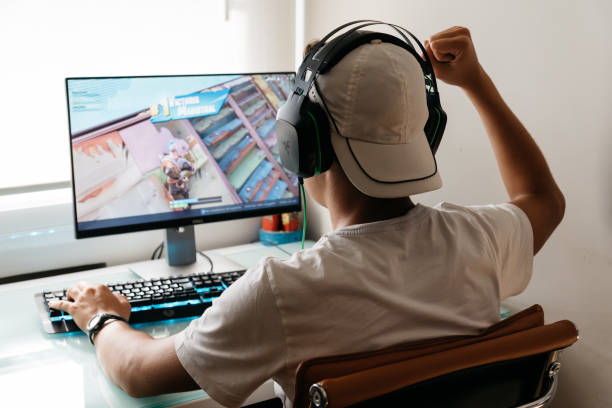
Online games have become a regular part of how people spend time on phones, tablets, computers, and other connected devices.
They are no longer limited to long gaming sessions or dedicated players. Many people now use games alongside streaming, social media, music, messaging, and other forms of digital entertainment.
This shift reflects changes in technology, device access, internet speed, and user habits. Short sessions, mobile-friendly formats, social features, and varied game styles have made online games easier to fit into daily routines.
As a result, gaming is becoming more closely connected with the broader digital entertainment experience.
Mobile Devices Have Made Online Games More Accessible
Smartphones have played a major role in the growth of everyday online gaming. A device already used for communication, video, shopping, and browsing can also provide quick access to games.
This allows slot gaming to become part of short breaks and ordinary moments throughout the day.
Short Sessions Fit Modern Routines
Many online games can be played for a few minutes at a time. A person may open a game while commuting, waiting for an appointment, or taking a break from work.
This flexible format suits people who may not want to spend hours in one session. The ability to stop and return later also makes gaming easier to combine with other activities.
Mobile interfaces often use simple navigation, readable icons, and clear controls so users can understand the main features quickly.
Online Games Now Offer More Variety
Digital slot gaming has expanded into many formats, allowing people with different interests to find something that matches their preferred style.
There are puzzle games, card games, sports titles, strategy games, simulation experiences, arcade formats, multiplayer games, and many other categories.
Different Formats Appeal to Different Habits
Some users prefer games based on quick decisions, while others enjoy slower strategic play. Some are interested in competition, while others prefer creative or casual activities.
This variety has helped online gaming reach a broader audience.
Common formats include:
- Puzzle and logic games
- Racing and sports titles
- Multiplayer competition
- Strategy-based games
- Simulation experiences
- Card and board-style games
- Arcade-inspired formats
- Story-focused titles
Because there are so many formats, online gaming can fit different schedules, interests, and levels of experience.
Social Features Are Making Gaming More Connected
Online games increasingly include communication and community features. Players can interact with friends, join groups, compare progress, or take part in shared activities.
This social layer has changed gaming from a mostly individual activity into something that can also support regular digital interaction.
Multiplayer Features Support Shared Entertainment
Multiplayer modes allow several people to take part in the same activity, even when they are in different locations.
Friends may play together after work, family members may join the same game remotely, or users may participate in larger online communities.
Features such as team systems, chat tools, shared challenges, and rankings add another reason for people to return regularly.
In this way, gaming can sit alongside messaging and social platforms as another form of online communication.
Streaming and Gaming Are Becoming More Closely Linked
The line between playing games and watching gaming content has become less distinct.
Many users now watch gameplay videos, live streams, reviews, tutorials, and competitive events as part of their entertainment habits.
Watching Games Has Become Entertainment Too
A person does not always need to be playing to take part in gaming culture. Watching others play can offer entertainment, learning, and social interaction.
Streaming platforms allow viewers to follow creators, comment during live sessions, and watch competitive matches.
This creates a wider media environment around games. A title can become part of a person’s entertainment routine through both active play and video content.
Better Technology Has Improved the Everyday Experience
Faster internet connections and improved devices have made online gaming smoother across different platforms.
Games can load faster, respond more quickly, and include richer graphics than earlier browser and mobile titles.
Cloud Services and Cross-Device Access Add Flexibility
Some games allow users to continue progress across more than one device. A person may start on a phone and later continue on a tablet or computer.
Cloud-based systems can also store account data and progress online.
This flexibility supports everyday use because players are not always tied to one device or one location.
Modern browsers and app platforms have also made it possible to access many types of games without complex setup.
Personalisation Is Becoming More Common
Digital entertainment platforms often adapt content based on user activity, and gaming services are following a similar direction.
Games may offer different settings, difficulty levels, character choices, visual themes, or content suggestions.
Personal Choices Make Games Feel More Relevant
Players can often adjust audio, controls, graphics, language, and other settings to suit their preferences.
Some games also allow users to customise characters, environments, or interface elements.
These options help people shape the experience around their own habits rather than using one fixed format.
Personalisation can also make it easier for new users to start with simpler settings before moving toward more detailed features.
Online Games Are Becoming Part of Digital Culture
Gaming now overlaps with music, film, sport, social media, fashion, and online communities.
Characters, competitions, visual styles, and gaming references often appear across other forms of media.
Games Can Connect Several Types of Entertainment
A single game may include music, storytelling, social interaction, competition, and visual art.
This combination gives online gaming a broad place within digital culture.
Gaming events can attract large online audiences, while popular titles may inspire videos, discussions, fan art, and community content.
The result is a form of entertainment that often continues beyond the game screen itself.
Everyday Gaming Is Likely to Keep Expanding
Online gaming is becoming easier to fit into daily digital habits because access is flexible and the range of content continues to grow.
People can play briefly, return later, watch related content, or interact with others around the same game.
Convenience Is Driving Regular Use
The ability to access games from common devices is one of the main reasons gaming has become more frequent.
Users do not always need dedicated equipment or long periods of free time. A phone or browser can be enough for many types of online play.
This has helped gaming become another normal option alongside videos, music, podcasts, and social platforms.
Conclusion
Online games are becoming a bigger part of everyday digital entertainment because they are easier to access, more varied, and increasingly connected with other online activities.
Mobile devices support shorter sessions, multiplayer features add social interaction, streaming expands the experience beyond active play, and improved technology makes access more flexible.
As digital habits continue to develop, online games are likely to remain an important part of how people relax, connect, and spend free time. Their growing role reflects a broader shift toward entertainment that can move easily between devices, formats, and everyday routines.