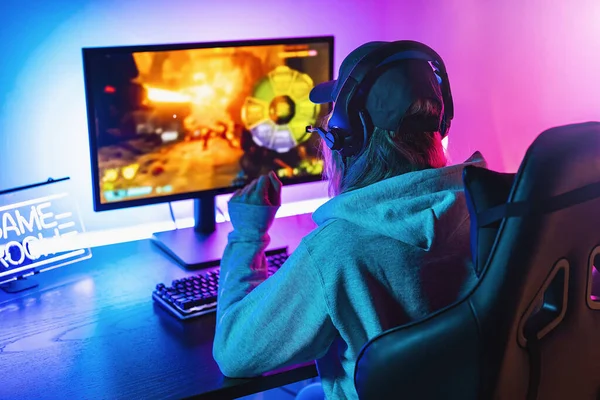
Have you ever felt more comfortable talking to people online than in a room full of strangers?
For many people, online gaming has become more than a fun way to pass time. It gives players a place to talk, team up, learn, laugh, and feel part of something. A person can log in from a small town, a busy city, or a quiet bedroom and still connect with others who share the same interest.
Online gaming can support inclusion because it brings people together through shared goals. Players do not always need to know each other’s age, background, job, or daily life. They can start with one simple thing in common: the game in front of them. From there, friendships, trust, and a sense of belonging can grow naturally.
Online Gaming Creates Shared Social Spaces
Online games give people a common place to meet and interact in a relaxed way.
Players Connect Through Shared Goals
One reason gaming helps people feel included is that it gives everyone a role. In many games, players work together to finish a mission, solve a puzzle, build something, or reach a team target. Each person can add value in a different way.
Some players may be quick thinkers. Others may be patient planners. Some may be good at helping new players understand what to do. These roles help people feel useful and noticed. When a team succeeds, players often feel that they contributed to something bigger than themselves.
That shared success can create a warm sense of connection. It is not only about winning. It is about being part of the effort.
Conversation Feels More Natural
For many people, starting a chat out of nowhere can feel hard. Online สล็อต gaming makes conversation easier because there is already something to talk about.
A player can ask for help, share a tip, comment on a funny moment, or plan the next step with the group. These small talks can turn into longer chats over time. The game gives people a simple reason to speak, which can make social contact feel less forced.
This can be helpful for people who are shy, new to online communities, or more comfortable expressing themselves through shared activities.
Gaming Communities Can Support Belonging
A positive gaming community can help people feel seen and accepted.
Regular Play Builds Familiarity
When people play with the same group often, they start to recognize names, voices, habits, and play styles. That familiarity can feel comforting. A player may log in and see people they know waiting for them. That simple moment can help someone feel remembered.
Over time, regular play can turn strangers into trusted online friends. Players may share jokes, celebrate progress, and support each other during challenges inside the game. These repeated moments help build a stronger feeling of belonging.
Inclusion often grows through consistency. Being invited back, being greeted, and being valued by a group can mean a lot.
Different Skill Levels Can Still Fit In
Online gaming can include people with many skill levels. A new player can learn from others, while an experienced player can guide the group. In many communities, teaching is part of the fun.
A person does not need to be the best player to feel included. They may bring humor, patience, creativity, or teamwork. These social qualities matter because gaming is often about cooperation as much as skill.
When communities value effort and kindness, more people feel comfortable joining in.
Online Gaming Encourages Identity And Self-Expression
Games often give players creative ways to show who they are.
Avatars Help People Express Themselves
Many online games allow players to create characters, choose outfits, decorate spaces, or select play styles. These choices can help people express personality in a safe and simple way.
A player may choose a bold character, a calm character, or one that reflects their mood. This form of expression can be meaningful because it gives people control over how they appear in the game.
For some, this can make online interaction feel more comfortable. They can take part socially while expressing themselves in a way that feels right to them.
Creative Roles Make People Feel Valued
Some players enjoy building, decorating, writing stories, organizing group events, or helping others learn. Online gaming can offer space for all these talents.
A person who may not enjoy fast action can still be an important part of a gaming group. They might create helpful resources, plan activities, or bring positive energy to the chat. This variety makes inclusion stronger because people can contribute in more than one way.
When different strengths are appreciated, more players feel that they belong.
Online Games Help Build Friendships Across Distance
Gaming can connect people who may never meet in daily life.
Distance Becomes Less Important
Online FAFA828 gaming allows people from different places to spend time together in real time. Friends can play together even when they live far apart. Families can stay connected through shared play. New friendships can form between people who might never cross paths offline.
The activity gives people a reason to meet often. Instead of only sending messages, they can do something together. That shared activity can make online friendships feel more active and personal.
Distance matters less when people have a place where they can meet, talk, and enjoy time as a group.
Shared Routines Create Connection
Many players build routines around gaming. They may play after work, on weekends, or during quiet evenings. These routines can become social habits.
A regular gaming session can feel like meeting friends at a familiar place. Players may look forward to the same group, the same jokes, and the same shared goals. These routines help create stability and connection.
Feeling included often comes from knowing there is a space where people expect you, welcome you, and enjoy your company.
Positive Online Play Can Teach Social Skills
Online gaming can also help people practice useful social habits.
Teamwork Teaches Communication
Many games depend on clear communication. Players learn to explain ideas, listen to others, share tasks, and adjust plans. These skills can be useful both online and offline.
A team works best when people respect each other’s roles. Players learn that good communication is not only about speaking. It is also about listening, waiting, and helping others understand.
These small lessons can help people feel more confident in group settings.
Kindness Helps Communities Grow
A positive gaming space grows when players are patient, welcoming, and fair. Simple actions can make a big difference. Saying hello to a new player, explaining a rule, sharing a tip, or celebrating another person’s success can help someone feel included.
These moments may seem small, but they shape the tone of a community. When kindness becomes normal, players are more likely to return and take part.
In this way, online gaming can support a culture where people feel accepted and respected.
Why Inclusion Matters In Online Gaming
Inclusion is important because people want to feel connected, valued, and understood.
Belonging Supports Confidence
When players feel included, they are more likely to speak, try new roles, and join group activities. This can build confidence over time.
A person who starts quietly may slowly become more active. They may ask questions, share ideas, or help newer players. Feeling accepted gives people room to grow at their own pace.
Online gaming can offer that room by creating social spaces built around shared fun and teamwork.
Simple Shared Fun Brings People Together
At its heart, online gaming brings people together through play. People laugh at unexpected moments, celebrate small wins, and learn from each other. These simple experiences can create strong social bonds.
The best part is that inclusion can happen naturally. A player joins a match, helps the team, chats with others, and becomes part of the group step by step.
Online gaming helps people feel included because it gives them a place to participate, express themselves, and connect with others. Through shared goals, regular interaction, creative identity, and positive teamwork, gaming can turn online spaces into welcoming communities where many people feel they truly belong.