The decision to embark on an adventurous journey—whether trekking across high Himalayan passes, cycling through rugged terrain, or exploring untouched cultural villages—starts long before the first step on the trail. It starts with choosing the right travel adventure company. With countless operators promising unforgettable experiences, how do you decide who to trust with your time, safety, and investment?
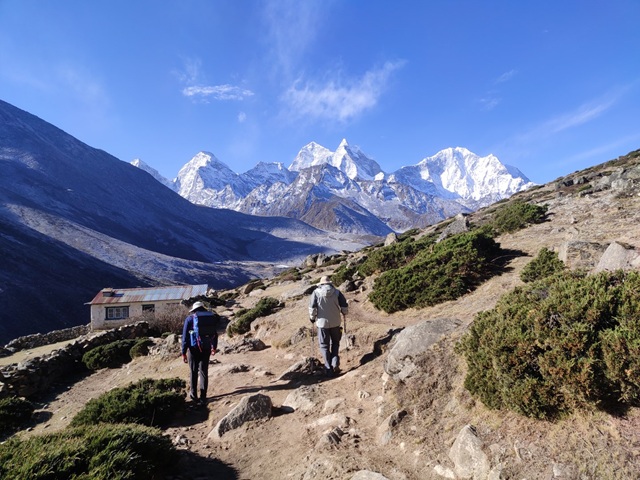
This comprehensive guide walks you through key aspects to consider when selecting an adventure travel company. From licensing to sustainability, this is your toolkit for finding the perfect travel partner for your next great adventure.
A Proven Track Record of Mountain Mastery
One of the most obvious signs of a dependable adventure company is its experience. Companies that have been operating for several years often have a deeper understanding of logistics, high-altitude challenges, seasonal variations, and local partnerships. They are better equipped to troubleshoot when things go sideways—be it a sudden weather shift, a landslide, or a medical emergency.
Don’t be swayed solely by glossy websites or social media buzz. Dig a little deeper. Ask how long they’ve been in business and what kind of adventures they specialize in. A company that has organized hundreds of high-altitude treks is likely to have refined its operations over time, giving you a smoother experience.
Legitimacy Matters: Check for Government Registration
Before you trust a company with your life in the Himalayas—or anywhere, really—ensure they’re operating legally. In Nepal, for instance, all trekking agencies must be registered with key regulatory bodies like the Nepal Tourism Board (NTB) and the Trekking Agencies’ Association of Nepal (TAAN). These certifications are not just bureaucratic rubber stamps; they guarantee that the company meets minimum standards for ethical operations, staff treatment, and client safety.
Additionally, check if the company has a valid PAN registration and is up to date on tax compliance. This reflects their long-term commitment to ethical business practices and local development.
Qualified Guides: Your Best Asset on the Trail
One of the most overlooked—but absolutely essential—elements of your trip is the guide. An experienced guide does much more than point you toward the next teahouse. They monitor your health, help with acclimatization, act as cultural interpreters, and know when to pivot in case of emergencies.
For challenging high-altitude routes like the Everest Base Camp Trek, having a guide trained in first aid, altitude sickness protocols, and emergency evacuation procedures can make all the difference. Certified guides with extensive trail knowledge don’t just enhance the journey—they safeguard it.
Always ask the agency about their training process for guides and porters. Do they conduct annual refresher courses? Are they licensed by government or tourism boards? You’ll want someone who doesn’t just know the trail, but knows how to respond when things go wrong.
How Prepared Are They for the Unexpected?
Adventure inherently involves a degree of risk, but a reliable company will have built-in protocols to mitigate those risks. This includes everything from a well-structured itinerary with proper acclimatization days to carrying oxygen cylinders and satellite phones on remote routes.
Ask the operator about their emergency protocols. Do they have partnerships with helicopter rescue companies? Do they keep track of clients’ health conditions? Have their staff undergone wilderness emergency training?
Good companies will also conduct pre-trip briefings, not only to discuss the route and packing essentials but also to prepare you mentally and physically for what lies ahead.
The Success Ratio Speaks Volumes
One of the best metrics to evaluate an adventure travel company is its trip success rate. A high success rate indicates not just good planning, but also efficient guides, reasonable itineraries, and proper acclimatization.
Take the Manaslu Circuit Trek, for instance. It involves remote trails and a challenging crossing of Larkya La Pass at over 5,100 meters. If a company consistently gets trekkers across the pass safely and on schedule, it speaks volumes about their operations. Ask them about completion rates for their most difficult treks and how they help clients adapt along the way.
Are You Being Sold or Served?
Transparency is an often-underestimated quality in adventure travel. Are you being pushed into optional add-ons and upgrades, or is the agency genuinely helping you find the best trip for your needs? Understanding travel agent licensing requirements can help you identify legitimate and trustworthy agencies.
Trustworthy companies are upfront about what’s included in the cost, what’s not, and where flexibility exists. They’ll provide detailed itineraries, gear checklists, health advisories, and insurance requirements well ahead of time. Avoid operators who dodge questions or provide vague, generalized answers.
Moreover, beware of companies that pressurize you into paying upfront in full before receiving a clear outline of what you’re buying. Reputable agencies will have a staged payment structure and fair cancellation policies.
Real Voices: Reviews and Recommendations
Before booking, do a deep dive into independent reviews. Read up on client testimonials on platforms like Google, TripAdvisor, or TrustPilot. Focus on reviews that mention specific guides, trip logistics, or the handling of unforeseen issues. These provide a much clearer picture than overly generic or glowing endorsements.
Better yet, ask the agency if they can connect you with past clients who’ve completed similar trips. Personal recommendations go a long way in verifying a company’s credibility.
Can They Tailor It to You?
The best travel experiences are often the most personalized. Whether you’re an experienced mountaineer looking for a challenging climb or a first-timer eager for a culturally rich yet less strenuous trek, the company should be able to customize the itinerary based on your fitness, interests, and timeframe.
Ask if they offer private departures, flexible start dates, or itinerary adjustments. Can they arrange hybrid trips that include cultural tours, homestays, or jungle safaris alongside trekking? Customization isn’t just a luxury—it’s often a necessity when dealing with varied travel goals and physical abilities.
Walking the Talk on Sustainability
More and more adventure travelers want their experiences to contribute positively to the places they visit. A responsible travel company will prioritize local employment, waste management, carbon reduction, and ethical porter treatment.
Ask if the agency uses local guides and porters from the regions you’ll be visiting. Do they offer staff insurance, fair wages, and proper gear? Do they donate to local schools, health clinics, or community development projects? The best companies understand that sustainability is not just about the environment—it’s about people too.
Local Presence and Strong Networks
Another key factor is how connected the company is within the destination itself. Local operators with deep community ties can provide a more immersive experience. They know the local dialects, the hidden side trails, the real-time trail conditions, and the places no foreign operator could uncover.
They’re also more agile in handling last-minute challenges like bad weather, political unrest, or route closures. Their strong relationships with lodges, airlines, and local authorities give you an edge when navigating unexpected hiccups.
Final Thoughts
Choosing the right travel adventure company is not about selecting the cheapest or most luxurious option—it’s about choosing the one that matches your values, meets safety standards, and enhances your journey through experience and expertise.
Take your time to research, ask questions, and compare before committing. Your journey into the Himalayas or any remote corner of the world deserves nothing less than a thoughtful, ethical, and professional guide to lead the way.