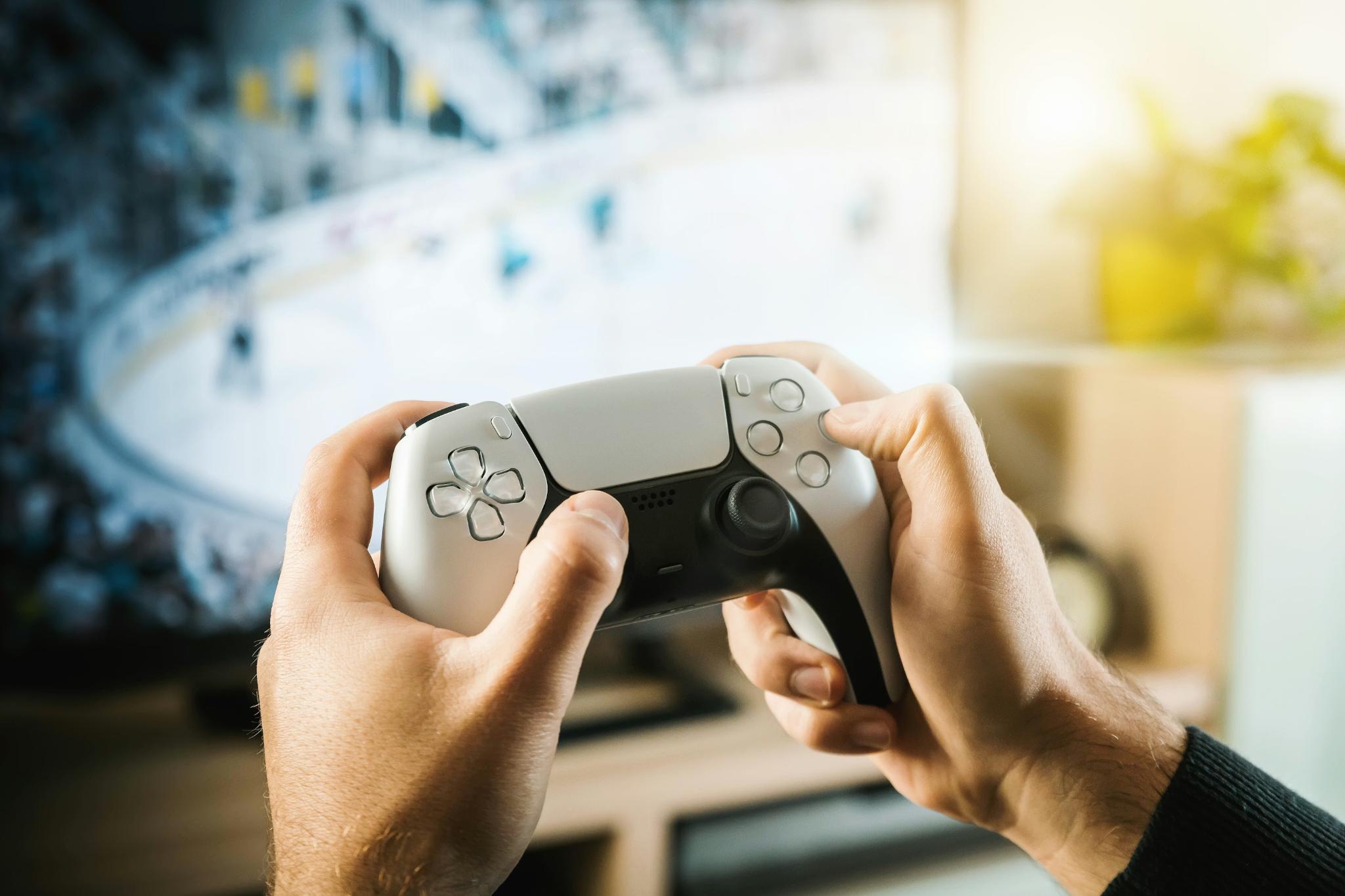
Games teach fast decision-making in a way that feels natural rather than academic. No lecture appears on the screen. No theory sheet explains what to do under stress. Instead, a match begins, a threat appears, time starts shrinking, and a choice has to be made before the comfortable answer arrives. That repeated pattern is one of the most useful things games offer. They place the mind in motion and force it to sort, judge, and act.
That is also why interactive platforms keep drawing attention so effectively. Even in broader digital spaces, including conversations around spinfin, the same principle often appears in a different form: people stay engaged when outcomes depend on timing, judgment, and quick reactions. Games push that logic much further. A wrong move has consequences, a slow move has consequences, and sometimes even a smart move only works if it happens fast enough. That pressure becomes part of the lesson.
Games Create Safe Versions of Stress
Real pressure is messy. A person may panic, overthink, rush too hard, or freeze for a few seconds too long. Games recreate some of that urgency, but inside a safer environment. Losing a round is frustrating, sure, but it is still manageable. That matters, because the mind learns better when failure is unpleasant without becoming overwhelming.
A fast action game shows this immediately. There may be three threats at once, but only one truly matters first. A strategy game does something similar in a slower form. Resources start running low, an opponent changes direction, and one decision suddenly matters more than the rest. In both cases, the player learns the same core habit: not every problem deserves equal attention.
That sounds obvious. In practice, it is not obvious at all. Under pressure, people often treat every detail as urgent. Games teach the opposite. They train the eye and the mind to pick the critical thing first.
The Brain Learns to Filter Noise
This is one of the least glamorous parts of gaming, but probably one of the most important. Fast decisions are rarely about speed alone. They are about filtering. A player has to notice what can be ignored, what can wait, and what needs action right now.
A chaotic screen may show movement everywhere, but experience teaches the player to read patterns inside the chaos. Is the real danger the enemy in front, or the shrinking timer in the corner? Is it smarter to attack, retreat, or save resources for ten seconds later? These are not huge philosophical questions. They are tiny decisions, made quickly, again and again. That repetition builds sharpness.
Some habits grow quietly through this process:
- important details become easier to spot
- hesitation starts lasting less time
- pattern recognition improves through repetition
- mistakes become information instead of pure frustration
That last point matters more than it gets credit for. A person who treats every mistake like a disaster learns very slowly. Games, for all their chaos, are often good at teaching recovery.
Action Matters More Than Perfect Certainty
One reason games help with fast decision-making is that they punish endless doubt. A slightly flawed move made on time often works better than a perfect move made too late. That lesson shows up everywhere. A missed dodge in an action game, a late rotation in a team match, a delayed resource choice in a strategy round. Timing changes the value of the decision itself.
This is useful beyond the screen because real pressure works the same way. There is not always time to gather every last piece of information. Games train people to move with partial clarity. That does not mean becoming reckless. It means becoming functional before certainty arrives.
Oddly enough, that is where confidence starts growing. Not fake confidence, not swagger, not the loud kind. The quieter kind. The sense that a quick decision can still be adjusted later if needed.
Different Genres Train Different Forms of Pressure
Not every game teaches the same decision skill. That is part of what makes the medium so interesting. One genre sharpens instant reaction. Another sharpens planning under stress. Another teaches how to keep thinking while other people depend on the outcome.
A few examples make the difference clear:
- shooters train fast visual judgment
- strategy games train rapid trade-offs
- co-op games train communication under pressure
- survival games train timing, planning, and restraint
These are different muscles, but they belong to the same body of skill. The player keeps asking the same basic question in different forms: what matters most right now?
Repetition Builds a Useful Kind of Calm
People often assume fast decision-makers are simply born that way. Games suggest otherwise. Repetition changes a lot. After enough tense moments, the player stops treating pressure like a total emergency and starts treating it like a situation that needs structure.
That shift is huge. The hands may still move quickly, but the real improvement happens in the head. There is less wasted motion. Less panic. Less random guessing. The player begins to trust the first solid read of the situation instead of drowning in options.
Later, that calm becomes visible in several ways:
- choices happen with less emotional clutter
- setbacks interrupt focus for a shorter time
- urgent moments feel more familiar than shocking
- adaptation happens faster after a failed plan
This is why experienced players often look composed even in ugly situations. The pressure did not disappear. It just stopped feeling new.
Why This Skill Feels So Real
Games teach fast decision-making under pressure because they combine urgency, repetition, consequence, and recovery inside one active experience. They do not ask for flawless thinking. They ask for useful thinking that happens on time.
That is probably why the lesson sticks. A game does not merely explain pressure. A game creates it, then gives the player another round to handle it better. Over time, the mind gets quicker, cleaner, and less afraid of messy moments. And honestly, that is a skill worth more than people sometimes admit.