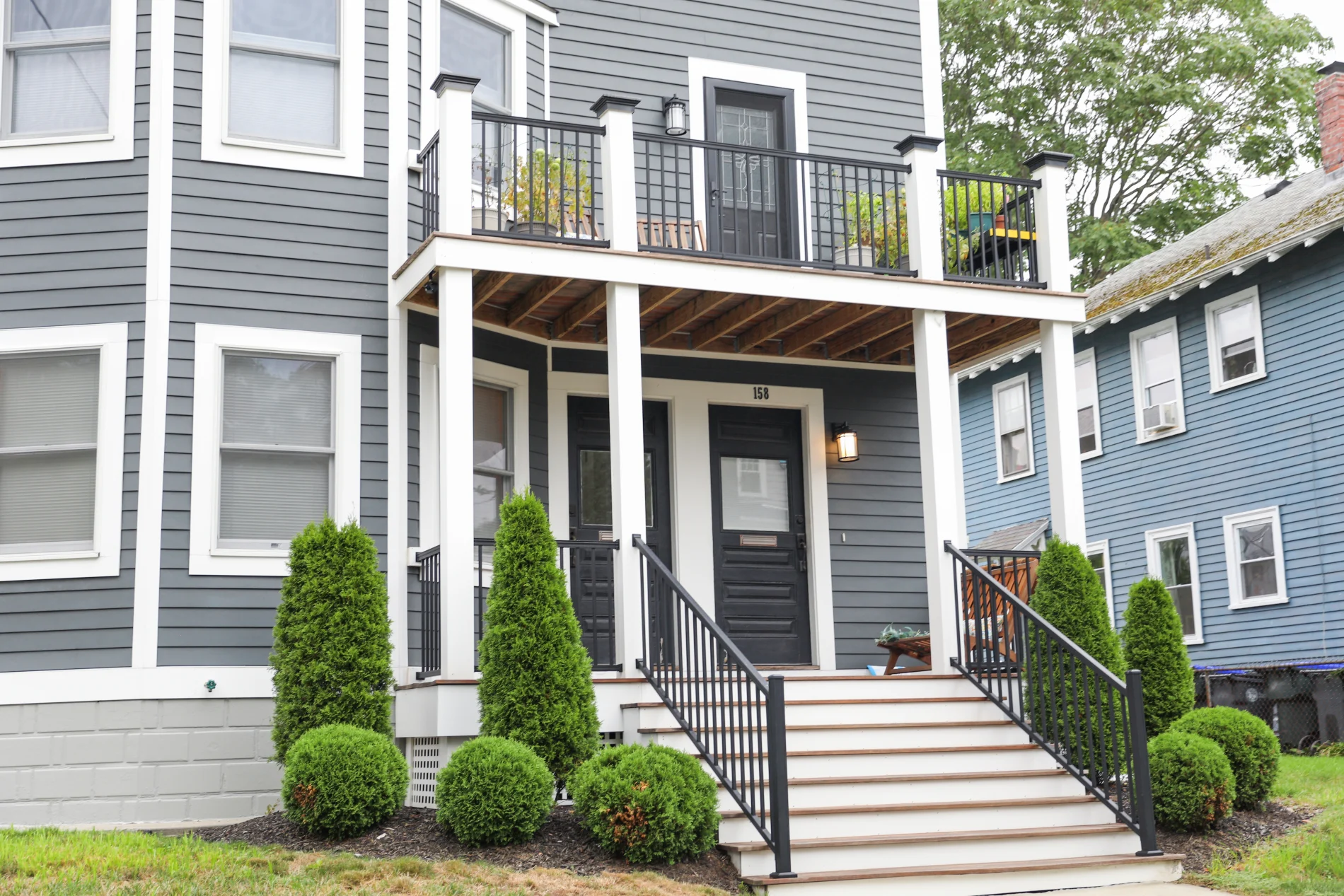
Replacing or installing new siding is one of the most important exterior upgrades a homeowner can make. It affects how the house looks, how well it stands up to weather, how much maintenance it will need, and even how efficiently it holds heat or cool air. Yet while many homeowners spend a great deal of time comparing siding materials, colors, and textures, the person doing the work often matters just as much as the product itself.
A skilled siding contractor can help you make sound decisions, avoid common mistakes, and ensure the finished result performs well for years. A poor one can leave behind gaps, moisture problems, uneven panels, failed warranties, and costs that continue long after the project is over.
That is why choosing the right professional should never be rushed. It is not only about hiring someone who can install siding. It is about finding someone who understands materials, communicates clearly, works responsibly, and respects both your home and your budget.
The process can feel overwhelming at first, especially if you are comparing multiple bids and learning unfamiliar construction terms along the way. But once you know what to look for, the decision becomes much easier. From siding types and climate needs to estimates, credentials, and communication, every step helps you narrow the field and move forward with confidence.
Start With the Right Siding for Your Home
Before hiring anyone, it helps to understand the product you want installed. Not every siding material performs the same way, and not every one is suitable for every home. The best results come from matching the siding to your climate, maintenance expectations, and architectural style.
A good contractor will guide you through these choices, but homeowners benefit from having a basic understanding before the first consultation.
Common Siding Materials and What They Offer
Wood siding remains a favorite for homeowners who want warmth, texture, and a more traditional appearance. It can look beautiful on classic and craftsman-style homes, but it demands regular care. Paint or stain may need refreshing, and moisture or insects can become a problem if the material is neglected.
Vinyl siding is popular because it is affordable, versatile, and relatively easy to maintain. It does not require painting as often as wood and is available in many colors and profiles. For many households, it offers a practical balance between appearance and upkeep.
Fiber cement has grown in popularity for good reason. It is durable, resistant to rot and insects, and often performs well in varied weather conditions. It can also mimic the look of painted wood while offering a tougher surface.
Engineered wood is another option that blends the visual appeal of wood with greater resistance to moisture and wear. Depending on the product, it may offer a middle ground for homeowners who want a natural look without the same level of maintenance demands.
Why Climate Should Shape the Decision
Weather plays a major role in siding performance. In humid or rainy areas, moisture resistance becomes especially important. In regions with strong sunlight, fading and heat exposure matter more. In colder climates, insulation value and resistance to freeze-thaw cycles may deserve closer attention.
What works beautifully in one part of the country may not be the smartest choice somewhere else. That is why a reliable siding contractor should ask about local weather conditions rather than simply recommending the same material for every project.
If your area gets driving rain, for example, correct moisture management is critical. If it gets intense heat and long sun exposure, color retention and material stability become more important. Good siding is not only about style. It is about long-term performance in real conditions.
Make Sure the Siding Fits the Home’s Style
Siding is one of the first things people notice about a home. It strongly influences curb appeal and can either complement the architecture or work against it.
A contractor who understands design as well as installation can help you make choices that feel cohesive instead of mismatched.
Matching Material, Texture, and Color
Traditional homes often pair well with wood-look textures, horizontal lap siding, and softer, classic color palettes. Contemporary homes may benefit from cleaner lines, bold contrasts, and more minimalist profiles. Farmhouse-style homes often work well with crisp panels, simple trim details, and restrained colors.
Texture matters just as much as color. Smooth siding creates a different effect than a heavily grained or rustic finish. Trim, shutters, roofing, stone accents, and landscaping should also be considered. The siding does not exist in isolation. It becomes part of the home’s overall visual language.
Think Beyond Trends
A color or style that feels exciting right now may not age well. That does not mean your home needs to be plain, but it does suggest the value of balance. The strongest exterior choices often feel timeless rather than overly trend-driven.
An experienced siding contractor can help you weigh personal taste against resale value, neighborhood character, and long-term satisfaction.
Verify Credentials Before You Go Any Further
Once you have a sense of the material and look you want, the next step is evaluating contractors. This is where homeowners sometimes make avoidable mistakes. A low price or friendly first impression is not enough.
Basic credentials should be confirmed early, not after the estimate is signed.
Licensing and Insurance Are Essential
A legitimate contractor should meet your state or local licensing requirements where applicable. Licensing shows that the company has met certain standards and is authorized to perform the work.
Insurance matters just as much. At a minimum, ask whether the contractor carries general liability insurance and workers’ compensation coverage. If property damage occurs or a worker is injured on site, you do not want that risk falling on you.
These details may feel administrative, but they protect both your investment and your peace of mind. A reputable siding contractor should be able to provide proof of both without hesitation.
Manufacturer Certifications Can Be a Strong Plus
Some contractors receive training or certification directly from siding manufacturers. This can be a meaningful advantage because it shows familiarity with specific installation standards, product systems, and warranty requirements.
While certification alone does not guarantee excellent work, it can add credibility, especially when combined with strong experience and good reviews.
Look Closely at Experience and Past Work
Not all experience is equal. A contractor may have many years in business but limited expertise with the specific material you want. Another may be newer as a company but highly skilled in the exact siding system your house needs.
The goal is to look beyond the headline claim of experience and examine what that experience actually includes.
Ask About Similar Projects
A contractor who regularly installs vinyl on suburban homes may not be the best fit for a complex fiber cement job on an older house with custom trim details. Ask what types of homes and siding products they work with most often.
Request photos of completed projects. Look for clean lines, thoughtful trim work, and overall consistency. If possible, ask for references from homeowners who had similar work done. A quick conversation with a previous client can tell you a great deal about punctuality, cleanliness, problem-solving, and the quality of the finished job.
Pay Attention to How Problems Were Handled
Every construction project brings some kind of challenge. Materials may be delayed. Hidden rot may be uncovered. Weather may interrupt the schedule. What matters is how the contractor responds.
A seasoned professional should be able to explain how issues are identified, communicated, priced, and resolved. That kind of transparency often separates a dependable siding contractor from one who creates confusion when conditions change.
Use Reviews and Referrals Wisely
Online reviews are useful, but they work best when read carefully. Do not focus only on star ratings. Read the comments themselves.
Look for patterns. If multiple people mention clear communication, quality cleanup, fair pricing, or careful craftsmanship, that is encouraging. If several mention missed deadlines, poor follow-through, or surprise charges, pay attention.
Personal Referrals Still Matter
Friends, neighbors, and relatives can be some of the best sources of honest feedback. If someone you trust had siding installed recently, ask about the experience. Was the crew respectful? Did the estimate stay accurate? Was the site kept safe and clean? Has the siding held up well?
Referrals are especially helpful because they usually come with real context rather than short online comments.
Watch for Consistency
One glowing review does not tell the whole story, and one negative review does not always disqualify a company. What matters is consistency over time. A contractor with a long record of steady, positive feedback is usually a safer bet than one with scattered, unpredictable results.
Learn How to Read an Estimate Properly
An estimate should do more than give you a final number. It should explain what that number includes.
Too many homeowners compare bids by price alone, even when the scope of work is not truly the same. That can lead to disappointment later.
What a Good Estimate Should Include
A solid estimate should break down materials, labor, removal of old siding if needed, disposal, trim work, moisture barriers, and any repair allowances. It should also identify the siding product being used and not just refer vaguely to “new siding.”
Timeline matters too. Ask when work is expected to begin, how long it should take, and what could affect the schedule.
A clear estimate helps prevent disputes because both parties know what has been promised from the start.
Watch for Missing Details
Vague wording is a red flag. If an estimate does not say what brand or product line is being installed, ask. If it skips cleanup, permit responsibility, or disposal of debris, clarify that before signing anything.
A reliable siding contractor should be able to explain the estimate line by line in plain language. If that conversation feels evasive or rushed, take notice.
When evaluating potential professionals for your home’s exterior, it is essential to look beyond the siding itself and consider the interconnected systems that protect your property. A comprehensive approach ensures that your new cladding works in harmony with your drainage solutions to prevent moisture infiltration and foundation issues. For homeowners planning a gutter install milford de, coordinating these projects can often lead to a more cohesive aesthetic and superior structural defense. This holistic strategy allows for a seamless transition between the roofline and the walls, providing long-term security against the elements. Taking the time to verify that your chosen contractor understands these critical relationships will ultimately safeguard your investment for years to come.
Be Alert to Hidden Costs
Construction work sometimes reveals issues that were not visible at the beginning. Rotten sheathing, damaged framing, or moisture intrusion behind old siding can increase the scope of the project.
Sometimes, when unexpected repairs require quick movement of materials, debris, or replacement sections, contractors may rely on practical transport help such as a man with van service to keep the workflow smooth.
This kind of support is especially useful when timing is tight and delays need to be avoided during ongoing exterior work.
That does not always mean a contractor is being dishonest. But it does mean you should ask in advance how change orders are handled.
Ask How Unexpected Repairs Are Approved
Will the contractor stop and show you the problem before proceeding? Will added costs be documented in writing? Who decides whether the repair is necessary?
These questions matter because surprise charges are one of the most common sources of homeowner frustration. The more clearly that process is defined upfront, the less stressful the project will feel if something unexpected is found.
Cheap Quotes Can Cost More Later
A very low bid may sound attractive, but it can sometimes mean corners are being cut. Inferior underlayment, rushed labor, minimal prep work, or omitted repairs may not be obvious right away. Unfortunately, those shortcuts can lead to water damage or premature failure later.
Value matters more than the lowest number. The best quote is usually the one that is both fair and complete.
Use the Consultation to Judge Communication
The first consultation is not only for the contractor to inspect the house. It is also your chance to evaluate how they communicate.
That matters more than many homeowners realize. Exterior projects involve scheduling, decisions, weather delays, and occasional surprises. Poor communication turns ordinary issues into stressful ones.
Questions Worth Asking
Ask what materials they recommend and why. Ask how they protect the home during the job. Ask what happens if damaged sheathing or hidden moisture is discovered. Ask who supervises the crew and whether subcontractors are used.
You should also ask about warranties. Find out what the manufacturer covers and what the contractor covers separately through labor or workmanship guarantees.
A strong siding contractor will answer directly, without becoming defensive or vague.
Responsiveness Tells You a Lot
If calls and emails go unanswered before the contract is signed, that pattern is unlikely to improve once the job begins. Timely, respectful communication early on usually signals a more organized and professional experience overall.
Homeowners do not need constant updates, but they do deserve clarity.
Trust Judgment, Not Just Paperwork
Even after reviewing credentials, estimates, and references, there is still a human element in the decision. You are hiring someone to work on your home, often for days or even weeks. Technical qualifications matter, but comfort and confidence matter too.
If one contractor seems highly skilled but consistently dismissive, that may create friction throughout the project. If another seems slightly less polished on paper but communicates clearly, explains things well, and earns your trust, that may be the better choice.
Read the Contract Carefully Before Signing
Before making a final commitment, review the contract in full. Make sure it includes scope of work, products, payment schedule, change-order procedures, warranty terms, and cleanup expectations.
Do not rely on verbal assurances alone. The written agreement should reflect the full understanding between both sides.
A trustworthy siding contractor will not pressure you to sign quickly without reading.
Choosing Well Pays Off for Years
New siding changes more than the appearance of a house. It can improve protection, lower maintenance stress, and increase confidence in the condition of the home. But those benefits depend heavily on the quality of the installation.
That is why taking time to choose the right siding contractor is such an important part of the project. The best professionals bring more than tools and labor. They bring experience, good judgment, clear communication, and the ability to translate your goals into a finished exterior that performs as well as it looks.
When homeowners compare materials carefully, verify credentials, study estimates, and pay attention to how a contractor communicates, they make far stronger decisions. In the end, that effort is worth it. Good siding lasts a long time, and so does the impact of hiring the right person to install it.