Choosing a whole house generator involves more than simply selecting a model from a catalog. Homeowners need to consider daily electricity use, emergency needs, and the layout of their property. Backup power should protect essential systems while remaining safe, efficient, and manageable. Evaluating power requirements, fuel options, key features, and installation logistics ensures the generator truly meets household needs. In this article, practical strategies for selecting the right whole house generator are explored in a way that connects to everyday life.
1.Calculate Your Power Needs
Determine Essential vs. Full-Home Load
The first step is identifying which devices and systems must remain operational during an outage. Essential loads include refrigerators, heating or cooling equipment, sump pumps, and critical lighting. Full-home loads extend to all appliances, entertainment, and secondary circuits. Knowing the difference helps avoid oversizing the generator unnecessarily. By focusing on realistic household needs, a more efficient and cost-effective solution can be selected.
Use Professional Load Calculation Methods
While simple estimates may work for small backup systems, professional load calculations ensure safety and reliability. Electricians use tools and formulas to determine peak load, continuous load, and startup currents. This prevents undersized or oversized generators from causing operational issues. A precise calculation also helps in planning for future home improvements. Ultimately, accuracy in the planning stage reduces stress during actual outages.
2.Compare Fuel Type Options
Natural Gas vs. Propane Availability
Natural gas is convenient when connected to a reliable pipeline, providing continuous fuel without on-site storage. Propane, stored in tanks, offers independence from municipal supply but requires regular monitoring and refills. Both fuels burn cleanly and efficiently, though availability can vary depending on location and weather conditions. Homeowners should evaluate which option aligns with daily life, regional supply, and emergency preparedness. Convenience and security often dictate the choice.
Diesel and Dual-Fuel Considerations
Diesel offers high energy density and long storage life, but it requires careful maintenance and cold-weather management. Dual-fuel generators provide flexibility, allowing users to switch between fuels depending on availability and circumstances. This can be particularly valuable in regions prone to extended outages or fuel supply disruptions. Considering both fuel types alongside storage, accessibility, and system compatibility ensures practical reliability. Decisions should balance performance with household routines.
3.Evaluate Key Features
Automatic Transfer Switch Operation
An automatic transfer switch (ATS) allows the generator to activate immediately when power fails. This avoids the inconvenience and risk of manual startup, ensuring seamless energy supply to essential circuits. The ATS also protects appliances from surges and improper voltage during outages. Properly configured switches integrate smoothly with home wiring. This feature is especially important for households with vulnerable members or critical systems.
Noise Levels and Smart Monitoring
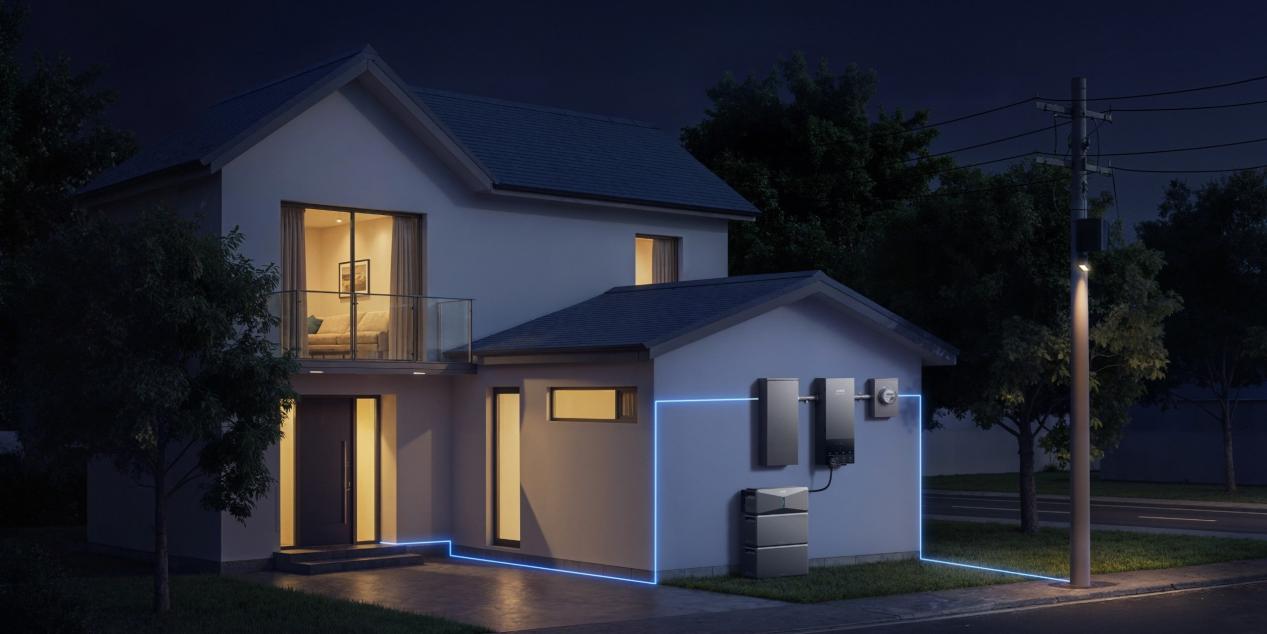
Noise can be a real concern for comfort, especially in residential neighborhoods. Modern energy systems now integrate quiet operation with smart monitoring, allowing you to track power use in real time without disruption. Take the Anker SOLIX E10 Power Module paired with its Battery Module, for example. This modular setup delivers up to 7.6kW of continuous output and 6kWh of storage—enough to run essentials smoothly and quietly. Its intelligent energy management keeps household devices running automatically, so you don’t have to constantly monitor or adjust settings. Together, these features support a comfortable, convenient, and noticeably quieter backup power experience at home.
4.Consider Installation Requirements
Local Code and Permit Compliance
Installation must comply with local codes, zoning restrictions, and safety regulations. Setbacks from property lines, ventilation requirements, and fuel storage standards are critical considerations. Understanding these requirements early avoids costly delays and modifications. Some areas also require permits for noise levels, generator type, or electrical connections. Staying informed ensures the system is safe, legal, and minimally disruptive.
Professional Installation Importance
Even with thorough planning, professional installation remains essential to ensure safe, reliable, and long-lasting operation. Certified installers verify that all electrical connections, grounding, and fuel lines meet current standards—a critical step for safety and performance. To further streamline integration and enhance safety, modern accessories like the Anker SOLIX Smart Inlet Box can be incorporated during installation. It supports up to 100A of continuous current and automatically manages the transition between generator and home power, reducing manual steps and potential errors. This is especially beneficial in homes with older or more complex wiring, where seamless automatic switching adds both safety and convenience.

5.Compare Brands and Warranties
Reliability and Service Network
Generator reliability depends on both build quality and support availability. Choosing brands with established service networks ensures parts, repairs, and maintenance are accessible. This reduces downtime and provides peace of mind during extended outages. Reviews, local service centers, and company reputation should guide decisions. Dependable service networks often outweigh marginal differences in initial cost.
Warranty Coverage and Maintenance Plans
Comprehensive warranties protect the investment and encourage proper maintenance. Systems like the Anker SOLIX Power Module and Battery Module come with long-lasting support and modular design, allowing homeowners to expand or service individual components without disrupting the entire setup. Clear coverage of parts and technical support provides peace of mind during extended outages. Understanding warranty terms alongside practical maintenance options is essential for long-term satisfaction.
Conclusion
Selecting the right whole house generator involves careful assessment of power needs, fuel options, features, installation, and brand reliability. Balancing everyday convenience with emergency preparedness ensures the system is both practical and dependable. Thoughtful planning, professional guidance, and smart integration with energy management tools can maximize comfort and safety during outages. By evaluating all factors through the lens of daily life, homeowners can make an informed choice that meets their home’s specific needs.