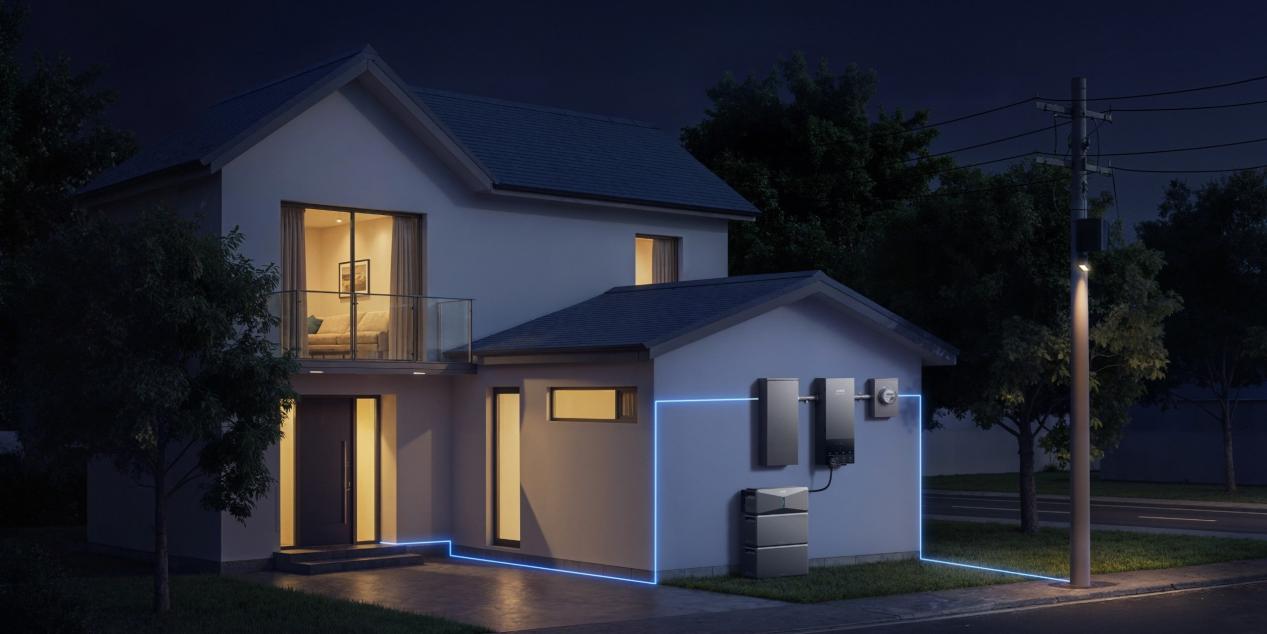
Whole-house backup power systems provide dependable electricity when the grid fails, but not every family requires one right away. The selection is based on the frequency of outages, lifestyle needs, and residential infrastructure. Some households suffer minor inconveniences during outages, but others confront major safety and productivity hazards. Understanding when backup power is required helps to minimize extra expenses and bad system choices. This article covers the conditions, lifestyle considerations, and warning indicators that suggest a genuine need for whole-home backup power. Reviewing real-world scenarios might help homeowners decide if installing a system is a proactive investment or a necessary protection for daily life.
When Does a Home Truly Need a Whole Home Backup Power System?
Living in Areas with Frequent or Extended Power Outages
Homes in areas with frequent or lengthy power outages sometimes require complete home backup power systems. Storm-prone locations, rural populations, and regions with shaky grids face frequent service disruptions. These disruptions might last hours or even days. Backup power ensures that lighting, refrigeration, heating, and cooling systems remain operational. It also protects against food loss and property damage. Instead of changing their plans to accommodate disruptions, homeowners stick to their typical habits. When disruptions become expected rather than unusual, backup power goes from optional to critical. Whole-home systems improve stability and eliminate reliance on temporary solutions that fail during lengthy outages.
Increased Weather Risks and Aging Power Infrastructure
Rising weather threats and outdated power infrastructure raise the demand for whole-house backup power. Stronger storms, heat waves, and wildfires put more strain on electricity infrastructure. Older transmission lines and substations struggle to satisfy rising demand. Utilities frequently use scheduled shutoffs to prevent damage. These variables increase the frequency and length of outages. Backup power protects households when the grid is unable to provide constant service. Homeowners prevent damage from frozen plumbing, overheating, and electrical surges. As infrastructure issues increase, whole-home backup power provides a dependable layer of security against forces beyond the homeowner’s control.
How Outage Frequency Impacts Daily Life and Safety
Frequent outages affect everyday living and jeopardize safety. Power outages impair lighting, communication, climate control, and security systems. Families may struggle to keep food safe and interior temperatures stable. Medical gadgets and emergency alarm systems rely on energy. Repeated disruptions cause stress and lower productivity. Children, the elderly, and vulnerable citizens are at greater risk. Whole-home backup power mitigates these effects by ensuring rapid continuity. When outages disrupt fundamental requirements or personal safety, backup power becomes a need rather than a luxury for modern homes.
Do Your Lifestyle and Home Needs Require Whole Home Backup Power?
Medical Equipment, Health, and Safety Requirements
Homes that rely on medical equipment frequently require full-home backup power. Devices like oxygen machines, mobility aids, and refrigerated pharmaceuticals require continual power. Systems that employ high-capacity battery solutions, such as the Anker SOLIX E10 Battery Module, which uses Li-Ion LFP cells and provides great discharge power, help ensure steady functioning during outages. Power outages can pose major health dangers, but dependable backup systems enable continuous operation without any intervention. Safety systems such as alarms and illumination remain operational. Families avoid emergency relocations during power shortages. Whole home backup power gives long-term peace of mind for families managing chronic health issues or caring for vulnerable members by ensuring that key health and safety demands are always met.
Remote Work, Home Businesses, and Digital Dependence
Remote work and home companies increase reliance on consistent electricity. Power outages disrupt internet connectivity, video meetings, and data security. Missed employment results in lost revenue and diminished credibility. Backup power keeps routers, computers, and office equipment operational. Smart gadgets are also used by digital families to schedule, communicate, and manage their homes. Whole-home systems reduce downtime and increase productivity. Consistent power helps professionals who work from home to perform and be reliable. When revenue and operations are reliant on connection, whole-house backup power becomes an invaluable business continuity resource.
Home Size, Electrical Load, and Essential Appliances
Larger homes with greater electrical demands benefit more from whole-house backup power. Multiple HVAC systems, refrigerators, and appliances consume a substantial amount of energy. Partial backup solutions may not meet full demand. Whole-house systems efficiently regulate loads while also powering crucial appliances. Homes with electric heating, well pumps, or EV charging demand more powerful options. Backup power protects against overload and guarantees balanced functioning. Understanding the size of your home and your energy usage will help you choose what system you require. When important appliances outperform temporary backups, a whole-house system delivers dependable protection.

Key Signs It’s Time to Install a Whole Home Backup Power System
Several signs indicate it may be time to install a whole home backup power system. Outages occur multiple times each year or last longer than a few hours. Weather events frequently disrupt utility service. The household relies on medical devices, remote work, or security systems. Food spoilage and property damage happen during outages. Temporary generators feel unsafe or inconvenient, making a battery backup for home a more reliable alternative. Stress increases with every power failure. Utility companies send out planned shutoff warnings. Home energy consumption continues to rise. These signs indicate that grid dependability no longer fulfills household requirements. Installing backup power prevents these hazards and restores control over household energy reliability.
Conclusion
When outages threaten safety, health, and everyday stability, whole-house backup power systems become essential. Frequent interruptions, increased weather concerns, and changing lifestyles all have an impact on the decision. Homes that rely on power for medical care, jobs, or crucial systems are at greater risk during outages. Recognizing early warning indicators enables homeowners to take action before an emergency occurs. While not every home needs backup power right away, many households reach a point when reliability takes precedence over cost. When grid performance is no longer reliable, whole-house backup power offers consistent protection, minimizes stress, and enables contemporary life.