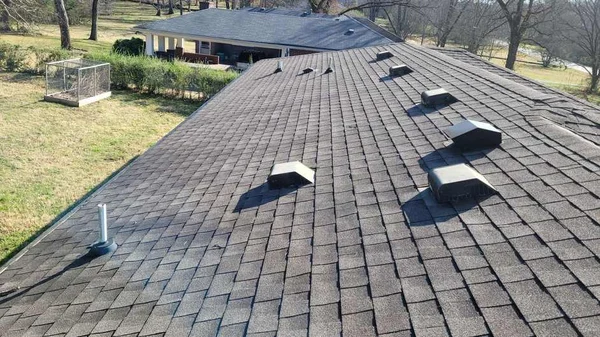
Proper attic ventilation is a crucial aspect of maintaining a healthy and energy-efficient home. Many homeowners overlook the importance of allowing air to flow freely through their attic spaces, but doing so can prevent a host of problems, from moisture buildup and mold growth to premature roof deterioration and higher energy bills. Understanding how much attic ventilation you need depends on several factors, including your roof size, local climate, and the type of ventilation system in place. By ensuring your attic is ventilated correctly, you can extend the life of your roof, improve indoor comfort, and even save money on heating and cooling costs.
What to Expect in This Guide
Why Attic Ventilation Matters
Attic ventilation plays a significant role in the overall health of your home. When air circulates properly through the attic, it helps regulate temperature and moisture levels, which can otherwise lead to a range of issues. In the summer, a poorly ventilated attic can trap heat, causing your air conditioning system to work harder and increasing your energy bills. During the winter, inadequate ventilation can result in condensation, which may lead to mold growth, wood rot, and even ice dams forming along the roof’s edge. These problems not only threaten the structural integrity of your home but can also impact your family’s health. Ensuring your attic is ventilated correctly helps maintain a balanced environment, protecting both your investment and your well-being.
Calculating Your Attic Ventilation Needs
Determining the right amount of attic ventilation for your home involves a straightforward calculation based on the size of your attic. The general guideline recommended by building codes is to provide one square foot of ventilation for every 300 square feet of attic floor space, assuming you have a balanced system with both intake and exhaust vents. This ratio helps ensure that air can enter and exit the attic efficiently, preventing hot spots and moisture accumulation. It’s important to consider the type of vents you have, such as soffit, ridge, or gable vents, as each contributes differently to airflow. Consulting with a Roofing Company Summerville can help you assess your current setup and determine if adjustments are needed to meet these requirements, ensuring your attic remains dry and your roof lasts longer.
Types of Attic Ventilation Systems
There are several types of attic ventilation systems, each designed to promote airflow in different ways. Passive ventilation systems, such as ridge vents and soffit vents, rely on natural air movement to circulate air through the attic. Ridge vents are installed along the peak of the roof, allowing warm air to escape, while soffit vents are placed under the eaves to draw in cooler air from outside. Gable vents, located on the exterior walls of the attic, can also help with cross-ventilation. In some cases, active ventilation systems like attic fans or powered vents are used to boost airflow, especially in larger homes or areas with extreme climates. The choice of system depends on your home’s design, local weather conditions, and the specific ventilation needs of your attic. Proper installation and maintenance of these systems are essential to ensure they function effectively and provide the intended benefits.
Signs of Poor Attic Ventilation
Recognizing the signs of inadequate attic ventilation can help you address issues before they become serious problems. One common indicator is a noticeable increase in your home’s energy bills, as your heating and cooling systems work overtime to compensate for temperature imbalances. You might also observe uneven temperatures in different parts of your home, especially on upper floors. In the attic itself, look for signs of moisture, such as damp insulation, water stains, or mold growth on wood surfaces. Ice dams forming along the roof’s edge during winter are another red flag, as they indicate trapped heat is melting snow unevenly. Addressing these warning signs promptly can prevent costly repairs and improve your home’s comfort and efficiency.
Local Climate and Ventilation Considerations
Homes in different climates have unique attic ventilation needs. In hot and humid regions, effective ventilation helps expel excess heat and moisture, reducing the risk of mold and wood rot. In colder climates, proper airflow prevents condensation and ice dam formation, which can damage both the roof and the interior of your home. The amount and type of ventilation required may vary depending on seasonal weather patterns, roof design, and insulation levels. It’s important to tailor your attic ventilation strategy to your local environment to maximize its effectiveness and protect your home year-round.
Professional Assessment and Maintenance
A professional assessment of your attic ventilation system can provide valuable insights into its current performance and any necessary improvements. Roofing professionals can evaluate the size and placement of your vents, check for blockages or damage, and recommend solutions tailored to your home’s specific needs. Regular maintenance, such as cleaning vents and inspecting for signs of wear, ensures your system continues to function properly. Investing in periodic inspections can help you avoid unexpected problems and extend the lifespan of your roof and attic components.
Quick Tips for Homeowners
If you’re unsure about your attic ventilation, start by checking for visible vents along the roofline and under the eaves. Make sure these vents are clear of debris and not blocked by insulation. Pay attention to any signs of moisture or temperature imbalances in your home, as these can indicate ventilation issues. Simple steps like keeping vents unobstructed and scheduling regular inspections can make a significant difference in maintaining a healthy attic environment.
Conclusion
Attic ventilation is a vital component of a well-maintained and energy-efficient home. By understanding how much ventilation your attic needs and ensuring your system is properly balanced, you can prevent a range of issues, from moisture damage to high energy costs. Whether you live in a hot, humid climate or a region with cold winters, tailoring your ventilation strategy to your home’s unique requirements is essential. Regular assessments and maintenance help keep your attic dry, your roof in good condition, and your living spaces comfortable throughout the year. Taking the time to address attic ventilation now can save you money and headaches in the long run, making it a smart investment for any homeowner.